Category: Blog

Your blog category

  • Social Casino Vs Real Money: Cashier, Limits And Player Fit

    Tommy Nguyen leads iGaming marketing across CRM, VIP, customer service and monetisation, connecting player lifecycle strategy with retention, service quality and commercial value, so when I weigh social casino vs real money I think about where the actual risk sits for an Australian adult. Social titles feel relaxed until you realise they never pay out, while real money games demand a proper cashier, clear limits and honest support. This review keeps the payment flow and verification front and centre, because that is where player protection and commercial value either line up or fall apart.

    The Difference In Practice

    Social casino games run on virtual credits, daily bonuses and a progression loop built around session length rather than payouts, so the whole product is designed to keep you logging back in. Real money casino play uses a licensed cashier, real currencies and a withdrawal path that has to clear identity checks before funds move, which changes the psychology completely. I have seen CRM programmes fail when operators treat both models the same, because a social player’s “loyalty” is just a streak of free spins whereas a real money player wants a reliable payout and a support team that answers before the arvo ends. A social title might hand out bonus coins like confetti, but the moment you want to convert time into cash you hit a wall that no amount of graphics can hide.

    Cashier, Payments And Verification

    The real money side is where deposits, withdrawals and the cashier actually matter, and that is the section I judge hardest. A decent Australian-facing setup should accept familiar methods, show the currency up front, and lay out processing times and limits without making you dig through three menus. Verification has to happen before the first withdrawal, not after you have stacked a balance and then discovered your account is frozen half way through. I always tell the team that a slow or opaque cashier kills retention faster than a weak bonus, because players remember the day their withdrawal sat pending far longer than they remember a welcome offer. If you want a clearer look at how scatter symbols and real money casino play line up for Australians, the mechanics around bonus triggers and paid outcomes are worth reading before you commit any funds. The flow should be straightforward: fund the account, play within the stated limits, request a withdrawal, and let verification do its job without you chasing support every second day.

    A Beginner’s Walkthrough

    If you are new to this and reckon you might be playing for real money soon, keep it simple and treat the first session like a test of the cashier rather than a punt. Start with a small deposit you can afford to lose, check that the currency and method match what you actually use, and read the withdrawal limits before you chase a bonus. Make sure your identity details match what is on file, because a mismatch will hold up every payout later. Watch how fast the support team replies in a quiet hour, not just during a busy arvo when everyone is online. If the site feels vague about processing times or asks you to guess the limits, step back and find a setup that is clearer. Play within a budget you set before you open the game, and do not treat bonus coins as a reason to keep loading when the session has already gone past your limit. Scatter Symbols And Real Money Casino

    Service Quality And The Commercial Reality

    VIP and CRM programmes only work when they respect the difference between a social player chasing a streak and a real money player chasing a payout, and that judgement call shapes everything from bonus design to support staffing. A social casino can afford to be loose with rewards because the currency is fake, but a real money operator has to balance commercial incentives against responsible limits and service quality. Henry Wright, Chief Financial Officer, Ironbark Compliance Advisory, has pointed out that a bonus mechanic which looks generous on paper can still be a poor fit if the cashier cannot clear it without friction, and I agree because the maths only matters if the player can actually withdraw. Support has to be available when the player needs it, not just when it is convenient for the marketing team, and that is where a lot of operators lose credibility. The commercial value comes from retention that is earned through reliable service, not from pushing players past their comfort zone.

    Player Fit And Where To Look

    The right choice depends on what you actually want from the session, because social casino vs real money is not a contest where one side wins for everyone. If you want a no-pressure game with no financial risk, social titles can fill an idle hour, but they are not a substitute for a real payout and they do not build any withdrawal path. If you want to play for cash, choose a setup with a clear cashier, honest limits and support that can answer a withdrawal query without making you wait until the next week. Australia’s gambling helplines are free, confidential and available 24/7, so if a session stops feeling like a game and starts feeling like a problem, that is the first call to make. A no deposit offer can be a sensible way to test a real money cashier without committing straight away, and you can check the play page at wolf-gold-no-deposit-au.com to see how that kind of entry point works before you fund anything. For players around Cairns or anywhere else in the country, the same rule applies: match the product to your intent, keep the limits clear, and never treat a social streak like a promise of paid returns.

    Pick the model that matches your intent, not the one with the loudest bonus. Social games suit a casual hour with no financial exposure, while real money casino play suits players who want a transparent cashier, verified withdrawals and support that actually answers. Stay within the limits you set, treat verification as part of the game rather than an obstacle, and walk away if the session stops feeling controlled. wolf-gold-no-deposit-au.com

  • Whales: Giants of the Ocean

    Whales: Giants of the Ocean

    Whales are among the largest and most remarkable animals on Earth. These marine mammals live in oceans around the world, from warm tropical waters to the cold seas surrounding the poles.

    Life Beneath the Surface

    Although whales spend their lives in water, they breathe air through blowholes located on top of their heads. They must regularly return to the surface to breathe before diving again in search of food or traveling through the ocean.

    Whales are warm-blooded, give birth to live young, and nurse their calves with milk. A thick layer of fat called blubber helps protect them from cold water and stores energy during long migrations.

    Two Main Groups

    Whales are generally divided into baleen whales and toothed whales. Baleen whales filter small animals from the water using flexible plates inside their mouths. This group includes blue whales, humpback whales, and gray whales.

    Toothed whales use teeth to catch fish, squid, and other prey. Many of them also use echolocation, producing sounds and listening for returning echoes to understand their surroundings. Sperm whales, belugas, and orcas belong to this group.

    The Blue Whale

    The blue whale is the largest known animal to have ever lived. An adult can grow longer than a city bus and weigh well over one hundred tonnes. Despite its enormous size, it feeds mainly on tiny crustaceans called krill.

    Communication and Migration

    Whales communicate using clicks, whistles, pulses, and complex songs. Some sounds can travel across great distances underwater. Humpback whales are especially famous for their long, patterned songs.

    Many species migrate thousands of kilometres each year. They often feed in cold, nutrient-rich waters before traveling to warmer regions where they mate and give birth.

    Protecting Whales

    Commercial hunting once caused severe declines in many whale populations. Today, whales also face threats from fishing gear, ship collisions, underwater noise, pollution, and changes to ocean ecosystems.

    Conservation programs, safer fishing practices, protected habitats, and international cooperation can help whale populations recover. Protecting whales also supports healthier oceans because these animals play an important role in marine food webs and nutrient cycles.

  • Roulette James Bond Strategy: A Practical Play Decision

    Roulette James Bond strategy is a flat-bet layout that spreads chips across three spots on the felt, aiming for frequent small wins rather than one big hit. It suits players who prefer a steady rhythm over chasing long shots. You can test the approach on desktop or mobile, but remember outcomes stay random and no method guarantees profit. If you are checking out a new site like crocoplaylogin.com, treat any welcome offer as a bonus to extend play, not a way to beat the maths.

    Does the spread suit your bankroll and session goals

    The core idea is simple: you cover a large slice of the wheel with a single round of bets, which means you win often but the payout on any single hit stays modest. For an Australian player weighing the roulette james bond strategy, the first question is whether that flat rhythm matches how you actually like to play. If you prefer quick sessions at the local RSL or a quiet arvo session on mobile, the spread can feel comfortable because it avoids constant re-staking after a loss. On the other hand, if you are the type who wants a long, slow burn with a fixed limit, the same layout can eat into a bankroll faster than expected because every spin carries a cost. Think of it like a CRM drip campaign I used to run for a membership club in regional New South Wales: the automation worked because it matched the member’s actual habits, not because it was clever on paper. A roulette plan should work the same way – if the bet sizes and session length do not line up with your routine, the maths will not save it. Before you commit, decide on a session cap, pick a table limit that leaves you room to breathe, and be honest about whether you are playing for a short burst or a longer evening. The spread is not a shortcut; it is a pacing tool, and it only helps when your pace is already set. Roulette Odd Even Strategy For More

    How the bet layout works in plain terms

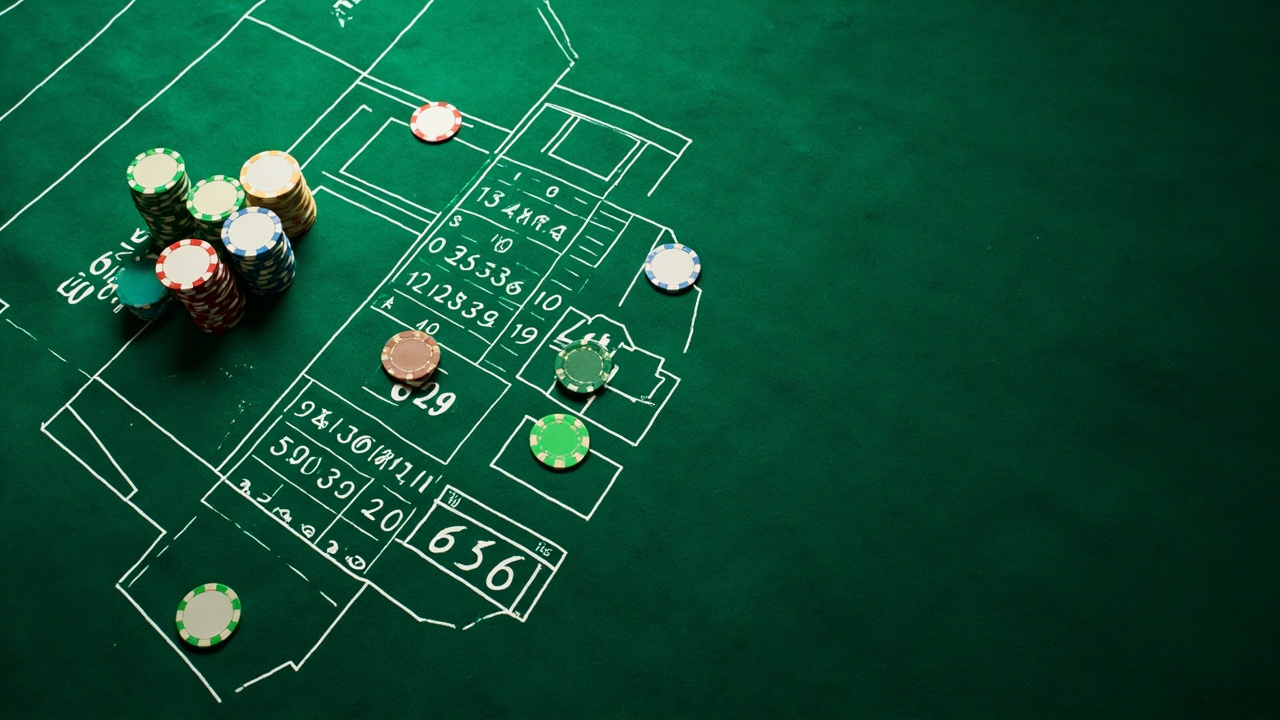
    Inside the roulette james bond strategy, you place three bets on an individual number, a set of high numbers, and a set of low numbers, which together cover a big chunk of the wheel. In practice that means one chip on a single number, a larger stack on the high range, and a smaller stack on the low range, with the exact split depending on your table and chip values. The appeal is that a win on the high range pays out enough to cover the single-number bet on many spins, so the session can feel steady rather than choppy. The downside is just as real: a single-number hit is rare, and when it does not land, you are still spending on the other two parts of the spread every time. I have seen similar flat-spread ideas in APAC digital campaigns where the creative looked balanced on paper but the actual return depended entirely on how often the audience clicked – same principle here, except the wheel does not care about your plan. If you want a clearer picture of how even-odd thinking compares, the piece on Roulette Odd Even Strategy For More Disciplined Casino Play lays out a more conservative split that some players prefer when they want tighter control. A quick way to sanity-check the layout before you sit down is to run through a short list:

    • confirm the table minimum and maximum fit your planned stake
    • decide your single-number pick before you touch the felt
    • set a stop point for the session, not just a win target
    • keep the high-range and low-range chips separate in your head so you can see the spread clearly

    That kind of pre-spin routine is boring, but boring is often what keeps a session under control.

    Where the approach fits on the table and in your routine

    The roulette james bond strategy tends to sit best on tables where the limits are wide enough for your chosen split but not so high that one bad run wipes you out. For an Australian player, that often means picking a game where the stakes feel ordinary rather than stretched – think a mid-range online table or a quiet land-based session where the crowd is not pushing the pace. On mobile, the same spread works fine as long as the interface lets you place all three parts quickly without fumbling through menus, because a slow layout can turn a calm session into a rushed one. I once reviewed a loyalty setup for a membership product where the rewards only felt valuable because they matched the member’s actual visit pattern; a roulette spread is similar – it only feels useful when it fits the way you already play. If you like a short, focused session, the spread can give you enough action to stay engaged without forcing big re-bets after a loss. If you prefer a longer grind, you will want to watch the running cost of every spin, because the flat bets add up even when the wins come regularly. The table below shows a simple way to think about stake sizing against session length, using a hypothetical AUD example that you should adjust to your own limit:

    Session style Example total stake per spin How the spread feels Good fit for
    Short burst $20-$40 Quick action, modest coverage, lower running cost One or two drinks, one quiet session
    Medium evening $50-$90 More coverage, steadier rhythm, higher running cost A longer arvo or evening with a set cap
    Extended grind $100+ Broad coverage, but the cost of every spin is real Only if your bankroll and stop plan are already set

    Use the table as a starting point, not a rule, because your actual comfort depends on the table limits and your own stop point.

    What to weigh before you try it for real

    Before you put chips down on the roulette james bond strategy, the useful questions are about control, not about whether the layout looks clever. Ask yourself what you want from the session: a short, steady run, a longer evening with a hard stop, or a table where the limits match your bankroll without feeling tight. Check the game details on the site you are using, including the table limits, the chip values, and whether the interface makes the three-part spread easy to place without rushing. If you are signing up somewhere new, read the bonus terms carefully and treat any offer as a way to add play time, not as a reason to raise your stakes; a clear registration and a straightforward payout path matter more than a flashy promotion. I have spent years building automated lifecycle flows for iGaming and membership products, and the campaigns that actually held up were the ones where the offer matched the player’s real behaviour, not the one that sounded biggest in the email. The same judgement applies here: if the spread fits your pace and your limit, it can be a workable way to structure a session; if it does not, no amount of neat maths will make it feel right. Keep the tone practical, keep your stop point ready, and treat every spin as a cost you have already decided to accept. crocoplaylogin.com

    No plan turns random outcomes into a sure thing, and the roulette james bond strategy is no exception. It can suit players who want a flat, covered spread and a session that feels organised rather than chaotic, provided the stakes and limits line up with how they actually like to play. If you are weighing it against other approaches or just want a calmer way to structure a night, the real test is whether the layout matches your bankroll, your stop point, and the table you are sitting at. Play within your limit, keep the session short enough to stay clear-headed, and treat any win as a bonus to the entertainment rather than a promise of more to come.

  • Whales: Giants of the Ocean

    Whales: Giants of the Ocean

    Whales are among the largest and most remarkable animals on Earth. These marine mammals live in oceans around the world, from warm tropical waters to the cold seas surrounding the poles.

    Life Beneath the Surface

    Although whales spend their lives in water, they breathe air through blowholes located on top of their heads. They must regularly return to the surface to breathe before diving again in search of food or traveling through the ocean.

    Whales are warm-blooded, give birth to live young, and nurse their calves with milk. A thick layer of fat called blubber helps protect them from cold water and stores energy during long migrations.

    Two Main Groups

    Whales are generally divided into baleen whales and toothed whales. Baleen whales filter small animals from the water using flexible plates inside their mouths. This group includes blue whales, humpback whales, and gray whales.

    Toothed whales use teeth to catch fish, squid, and other prey. Many of them also use echolocation, producing sounds and listening for returning echoes to understand their surroundings. Sperm whales, belugas, and orcas belong to this group.

    The Blue Whale

    The blue whale is the largest known animal to have ever lived. An adult can grow longer than a city bus and weigh well over one hundred tonnes. Despite its enormous size, it feeds mainly on tiny crustaceans called krill.

    Communication and Migration

    Whales communicate using clicks, whistles, pulses, and complex songs. Some sounds can travel across great distances underwater. Humpback whales are especially famous for their long, patterned songs.

    Many species migrate thousands of kilometres each year. They often feed in cold, nutrient-rich waters before traveling to warmer regions where they mate and give birth.

    Protecting Whales

    Commercial hunting once caused severe declines in many whale populations. Today, whales also face threats from fishing gear, ship collisions, underwater noise, pollution, and changes to ocean ecosystems.

    Conservation programs, safer fishing practices, protected habitats, and international cooperation can help whale populations recover. Protecting whales also supports healthier oceans because these animals play an important role in marine food webs and nutrient cycles.

  • Whales: Giants of the Ocean

    Whales: Giants of the Ocean

    Whales are among the largest and most remarkable animals on Earth. These marine mammals live in oceans around the world, from warm tropical waters to the cold seas surrounding the poles.

    Life Beneath the Surface

    Although whales spend their lives in water, they breathe air through blowholes located on top of their heads. They must regularly return to the surface to breathe before diving again in search of food or traveling through the ocean.

    Whales are warm-blooded, give birth to live young, and nurse their calves with milk. A thick layer of fat called blubber helps protect them from cold water and stores energy during long migrations.

    Two Main Groups

    Whales are generally divided into baleen whales and toothed whales. Baleen whales filter small animals from the water using flexible plates inside their mouths. This group includes blue whales, humpback whales, and gray whales.

    Toothed whales use teeth to catch fish, squid, and other prey. Many of them also use echolocation, producing sounds and listening for returning echoes to understand their surroundings. Sperm whales, belugas, and orcas belong to this group.

    The Blue Whale

    The blue whale is the largest known animal to have ever lived. An adult can grow longer than a city bus and weigh well over one hundred tonnes. Despite its enormous size, it feeds mainly on tiny crustaceans called krill.

    Communication and Migration

    Whales communicate using clicks, whistles, pulses, and complex songs. Some sounds can travel across great distances underwater. Humpback whales are especially famous for their long, patterned songs.

    Many species migrate thousands of kilometres each year. They often feed in cold, nutrient-rich waters before traveling to warmer regions where they mate and give birth.

    Protecting Whales

    Commercial hunting once caused severe declines in many whale populations. Today, whales also face threats from fishing gear, ship collisions, underwater noise, pollution, and changes to ocean ecosystems.

    Conservation programs, safer fishing practices, protected habitats, and international cooperation can help whale populations recover. Protecting whales also supports healthier oceans because these animals play an important role in marine food webs and nutrient cycles.

  • Whales: Giants of the Ocean

    Whales: Giants of the Ocean

    Whales are among the largest and most remarkable animals on Earth. These marine mammals live in oceans around the world, from warm tropical waters to the cold seas surrounding the poles.

    Life Beneath the Surface

    Although whales spend their lives in water, they breathe air through blowholes located on top of their heads. They must regularly return to the surface to breathe before diving again in search of food or traveling through the ocean.

    Whales are warm-blooded, give birth to live young, and nurse their calves with milk. A thick layer of fat called blubber helps protect them from cold water and stores energy during long migrations.

    Two Main Groups

    Whales are generally divided into baleen whales and toothed whales. Baleen whales filter small animals from the water using flexible plates inside their mouths. This group includes blue whales, humpback whales, and gray whales.

    Toothed whales use teeth to catch fish, squid, and other prey. Many of them also use echolocation, producing sounds and listening for returning echoes to understand their surroundings. Sperm whales, belugas, and orcas belong to this group.

    The Blue Whale

    The blue whale is the largest known animal to have ever lived. An adult can grow longer than a city bus and weigh well over one hundred tonnes. Despite its enormous size, it feeds mainly on tiny crustaceans called krill.

    Communication and Migration

    Whales communicate using clicks, whistles, pulses, and complex songs. Some sounds can travel across great distances underwater. Humpback whales are especially famous for their long, patterned songs.

    Many species migrate thousands of kilometres each year. They often feed in cold, nutrient-rich waters before traveling to warmer regions where they mate and give birth.

    Protecting Whales

    Commercial hunting once caused severe declines in many whale populations. Today, whales also face threats from fishing gear, ship collisions, underwater noise, pollution, and changes to ocean ecosystems.

    Conservation programs, safer fishing practices, protected habitats, and international cooperation can help whale populations recover. Protecting whales also supports healthier oceans because these animals play an important role in marine food webs and nutrient cycles.

  • Whales: Giants of the Ocean

    Whales: Giants of the Ocean

    Whales are among the largest and most remarkable animals on Earth. These marine mammals live in oceans around the world, from warm tropical waters to the cold seas surrounding the poles.

    Life Beneath the Surface

    Although whales spend their lives in water, they breathe air through blowholes located on top of their heads. They must regularly return to the surface to breathe before diving again in search of food or traveling through the ocean.

    Whales are warm-blooded, give birth to live young, and nurse their calves with milk. A thick layer of fat called blubber helps protect them from cold water and stores energy during long migrations.

    Two Main Groups

    Whales are generally divided into baleen whales and toothed whales. Baleen whales filter small animals from the water using flexible plates inside their mouths. This group includes blue whales, humpback whales, and gray whales.

    Toothed whales use teeth to catch fish, squid, and other prey. Many of them also use echolocation, producing sounds and listening for returning echoes to understand their surroundings. Sperm whales, belugas, and orcas belong to this group.

    The Blue Whale

    The blue whale is the largest known animal to have ever lived. An adult can grow longer than a city bus and weigh well over one hundred tonnes. Despite its enormous size, it feeds mainly on tiny crustaceans called krill.

    Communication and Migration

    Whales communicate using clicks, whistles, pulses, and complex songs. Some sounds can travel across great distances underwater. Humpback whales are especially famous for their long, patterned songs.

    Many species migrate thousands of kilometres each year. They often feed in cold, nutrient-rich waters before traveling to warmer regions where they mate and give birth.

    Protecting Whales

    Commercial hunting once caused severe declines in many whale populations. Today, whales also face threats from fishing gear, ship collisions, underwater noise, pollution, and changes to ocean ecosystems.

    Conservation programs, safer fishing practices, protected habitats, and international cooperation can help whale populations recover. Protecting whales also supports healthier oceans because these animals play an important role in marine food webs and nutrient cycles.

  • Whales: Giants of the Ocean

    Whales: Giants of the Ocean

    Whales are among the largest and most remarkable animals on Earth. These marine mammals live in oceans around the world, from warm tropical waters to the cold seas surrounding the poles.

    Life Beneath the Surface

    Although whales spend their lives in water, they breathe air through blowholes located on top of their heads. They must regularly return to the surface to breathe before diving again in search of food or traveling through the ocean.

    Whales are warm-blooded, give birth to live young, and nurse their calves with milk. A thick layer of fat called blubber helps protect them from cold water and stores energy during long migrations.

    Two Main Groups

    Whales are generally divided into baleen whales and toothed whales. Baleen whales filter small animals from the water using flexible plates inside their mouths. This group includes blue whales, humpback whales, and gray whales.

    Toothed whales use teeth to catch fish, squid, and other prey. Many of them also use echolocation, producing sounds and listening for returning echoes to understand their surroundings. Sperm whales, belugas, and orcas belong to this group.

    The Blue Whale

    The blue whale is the largest known animal to have ever lived. An adult can grow longer than a city bus and weigh well over one hundred tonnes. Despite its enormous size, it feeds mainly on tiny crustaceans called krill.

    Communication and Migration

    Whales communicate using clicks, whistles, pulses, and complex songs. Some sounds can travel across great distances underwater. Humpback whales are especially famous for their long, patterned songs.

    Many species migrate thousands of kilometres each year. They often feed in cold, nutrient-rich waters before traveling to warmer regions where they mate and give birth.

    Protecting Whales

    Commercial hunting once caused severe declines in many whale populations. Today, whales also face threats from fishing gear, ship collisions, underwater noise, pollution, and changes to ocean ecosystems.

    Conservation programs, safer fishing practices, protected habitats, and international cooperation can help whale populations recover. Protecting whales also supports healthier oceans because these animals play an important role in marine food webs and nutrient cycles.

  • Whales: Giants of the Ocean

    Whales: Giants of the Ocean

    Whales are among the largest and most remarkable animals on Earth. These marine mammals live in oceans around the world, from warm tropical waters to the cold seas surrounding the poles.

    Life Beneath the Surface

    Although whales spend their lives in water, they breathe air through blowholes located on top of their heads. They must regularly return to the surface to breathe before diving again in search of food or traveling through the ocean.

    Whales are warm-blooded, give birth to live young, and nurse their calves with milk. A thick layer of fat called blubber helps protect them from cold water and stores energy during long migrations.

    Two Main Groups

    Whales are generally divided into baleen whales and toothed whales. Baleen whales filter small animals from the water using flexible plates inside their mouths. This group includes blue whales, humpback whales, and gray whales.

    Toothed whales use teeth to catch fish, squid, and other prey. Many of them also use echolocation, producing sounds and listening for returning echoes to understand their surroundings. Sperm whales, belugas, and orcas belong to this group.

    The Blue Whale

    The blue whale is the largest known animal to have ever lived. An adult can grow longer than a city bus and weigh well over one hundred tonnes. Despite its enormous size, it feeds mainly on tiny crustaceans called krill.

    Communication and Migration

    Whales communicate using clicks, whistles, pulses, and complex songs. Some sounds can travel across great distances underwater. Humpback whales are especially famous for their long, patterned songs.

    Many species migrate thousands of kilometres each year. They often feed in cold, nutrient-rich waters before traveling to warmer regions where they mate and give birth.

    Protecting Whales

    Commercial hunting once caused severe declines in many whale populations. Today, whales also face threats from fishing gear, ship collisions, underwater noise, pollution, and changes to ocean ecosystems.

    Conservation programs, safer fishing practices, protected habitats, and international cooperation can help whale populations recover. Protecting whales also supports healthier oceans because these animals play an important role in marine food webs and nutrient cycles.

  • Cluster Pays Explained Pokies on Your Phone – A Player Walkthrough

    Cluster pays pokies don’t ask you to memorise dozens of paylines – they just want groups of matching symbols to land together. After two decades wiring up payments and bingo platforms, I’ve watched every mechanic under the sun come and go, but the cluster format genuinely behaves better on a small screen than almost anything I’ve shipped. Here’s how a typical session feels on mobile in Brisbane, where most punters tap rather than click – players looking to test the mechanic without risking anything can head to need-for-spincasino.com for a free demo version on any device.

    From Spin Button to Cluster Match: The First 30 Seconds

    Open a cluster pays title on Reef Lane Casino’s mobile browser and the layout collapses down neatly – no pinching, no horizontal scroll. The grid centres itself under your thumb, usually a 6×5 or 7×7 block, with the spin button anchored in the same spot every release. Bet sizing sits on the left rail, autoplay and turbo on the right, and the paytable hides behind a hamburger menu so the reels get the whole screen. Tapping a symbol opens its mini-info overlay rather than redirecting you to a new page, which keeps the round moving. Swipe gestures handle the side menu – a left swipe reveals the cashier, a right swipe opens the bonus tracker – and the navigation reads identically across iOS Safari and Android Chrome. From a DevOps angle, this matters: fewer page loads mean fewer timeout errors on patchy 4G between West End and the river. Play’n GO’s Reactoonz, Hacksaw’s Cubes 2, and Push Gaming’s Jammin’ Jars all render in under three seconds on a mid-range Android in my testing. If the build feels slow, that’s a backend issue – not your phone.

    Reading the Grid on a Small Screen

    Cluster pays work differently from payline pokies – wins are flagged by an outline that pulses around every connected symbol, then those tiles tumble away and the rest cascade down to fill the gap. On a 5-inch display that needs to be loud, because the grid is doing the storytelling the payline used to. Reef Lane’s cluster titles lean on full-bleed art and oversized numerals so the cascade reads cleanly at arm’s length, even on a Valley Metro bus or queuing for coffee in Fortitude Valley. The table below compares how a few popular cluster pays titles behave on mid-range handsets:

    Game Grid Tumble/Cascade Min Bet (A$) Mobile Load
    Reactoonz (Play’n GO) 7×7 Yes 0.20 ~2.1s
    Jammin’ Jars (Push Gaming) 8×8 Yes 0.20 ~2.4s
    Cubes 2 (Hacksaw) 6×6 Yes 0.10 ~1.9s
    Sugar Rush (Pragmatic Play) 7×7 Yes 0.20 ~2.6s

    Heavier 8×8 grids tend to stutter on anything older than an iPhone 12, while 6×6 builds stay smooth. If your phone runs the game without frame drops, the paytable is the next thing to check – bonus rounds behave quite differently across the four grids listed.

    Banking and Bonus Controls in Your Pocket

    Cluster pays don’t change the cashier, but mobile definitely reshapes it. Reef Lane runs on PlayWise Systems integration with PayID, Visa, Mastercard, plus BTC and ETH, with a minimum deposit of A$20 – ten bucks higher than the desktop floor because mobile fraud scoring is tighter. Tap the wallet icon top-right, pick a method, authorise with Face ID or your banking app, and the balance refreshes before the spin screen reloads. Bonuses behave the same way – claim the welcome pack (100% up to A$750 plus 100 free spins on a cluster pays title) from the promo tab, and the wagering counter sits permanently above the reels. Players cross-checking no-deposit bonus options can read a no-deposit bonus walkthrough covering how those promos behave on Australian home connections, including wagering weightings on cluster pays. As Chloe Johnson, Chief Financial Officer at Harbour City Gaming Review, notes: “Mobile-first operators tend to publish shorter payout windows because their back-office stack is newer – older platforms carry legacy batch processes.” Most withdrawals clear inside the same day on crypto, while cards take 1-2 banking days.

    Spotting a Real Mobile Build vs a Resized Desktop

    Where Howard Hughes famously helped clean up the Strip’s image by buying up casino properties in the late 1960s, the mobile equivalent is a platform that doesn’t punish you for using your phone. The easy tells of a desktop port: laggy lobby, a settings menu you can’t tap, or a help icon that vanishes in landscape. A genuine mobile-first build boots in under three seconds, keeps the wallet one thumb away, and never asks you to pinch-zoom the reels. Anomaly-detection software works quietly in the background, flagging anything from rapid-fire autoplay to stake jumps that look out of character – it can occasionally snag a legit grinder running a busy arvo session, but the logic is sound. On the maths side, blackjack’s basic strategy was first worked out with hand calculations and early computers long before it touched a felt table – and that same rigour shows up in cluster pays RTP and volatility audits. As Archie Graham, Independent iGaming Expert at the Pacific Player Protection Institute, puts it: “Mobile-first testing separates a serious studio from one that simply downscaled it.”

    That’s the cluster pays mobile walkthrough in plain terms – fewer paylines to memorise, more tumble animations to read, and a cashier that respects your thumb. Reef Lane’s PlayWise integration keeps sessions consistent across 4G and home Wi-Fi, so you can switch devices without losing context. Stick to licensed platforms, set a deposit limit before your first spin, and no worries – the rest is just practice.